 FreeFree
Description
Extended Narrative Deep-Dive & Literary Analysis
1. Expanded Detailed Description
The text is structurally partitioned into two starkly opposing physical and psychological landscapes, maximizing dramatic irony through spatial contrast:
- The Captive's Void: The initial setting is an oppressive, sensory-deprived prison. The darkness is described not merely as an absence of light, but as a physical weight that blinds and disorients. The tactile elements—the cold concrete floor, the rough walls, the sunken, emaciated skin of Jidderh's stomach—evoke visceral empathy. The atmosphere here is choked with despair, punctuated only by the mechanical brutality of the kidnappers and the psychological agony of forced starvation.
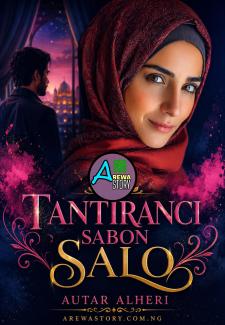
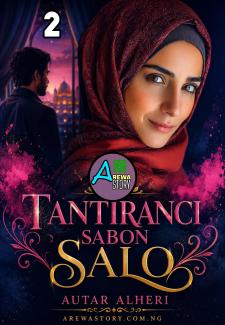
- The Illusion of Freedom and Urban Chaos: In sharp contrast, the second setting moves from the sterile luxury of a modern Nigerian shopping mall into the sunlit, chaotic concrete veins of a bustling street. The visual presentation of Rumana—her yellow-toned glowing skin, the immaculate umbrella-cut lace gown, the precise head-wrap, gold jewelry, and Samsung Fold phone—establishes her firmly in an elite, sheltered ecosystem. When Imran crosses her path, the environment shifts instantly from ambient urban noise to high-stakes, erratic confrontation. The street acts as a neutral amphitheater where public opinion is weaponized: a crowd blindly endorses familial bonds based on superficial facial resemblances, ignoring the frantic, class-driven protests of the woman caught in the middle.
- The Modest Suburban Home: The final setting—Imran’s family home—is viewed entirely through Rumana’s hyper-critical, privileged lens. To someone accustomed to sprawling mansions and endless household staff, a modest suburban compound feels like a "boys' quarters" or an "animal pen," underlining the psychological gulf separating her reality from theirs.
2. Comprehensive Summary
The narrative weaves a complex tapestry of survival, socio-economic divide, and psychological entanglement centered around a chilling case of mistaken identity.
In the first thread, Jidderh endures a living nightmare in a windowless kidnappers' den. Denied adequate food and subjected to routine psychological and physical degradation, she refuses to yield her family's phone number to her captors. She would rather face death than burden her struggling, impoverished father with an impossible 200 million naira ransom demand, knowing her family is already financially broken. In a sudden twist of divine intervention, her tormentor's assault mysteriously falters due to an unexpected physical failure, allowing her a brief moment of profound gratitude to God.
Simultaneously, miles away in a thriving urban center, a wealthy and pampered young woman named Rumana is enjoying a carefree outing. Cared for and heavily spoiled by her older brother Junaid—who stepped in to shield her from the pain of their father's death—Rumana basks in luxury.
Cross-cutting with her day out is Imran, a young man consumed by desperate grief. Alongside his friend Ahmad, Imran has spent three harrowing days searching for his missing sister, Jidderh. Spotting Rumana on the street, Imran is struck by an uncanny, absolute resemblance and immediately confronts her, convinced she is his sister.
What follows is a darkly comedic yet agonizing clash of perspectives. Rumana, utterly baffled and deeply offended by this "poor commoner" grabbing her, retaliates with fierce indignation, slaps, and sharp insults. She insists she is Rumana, a child of immense wealth and privilege. Refusing to believe her protests, Imran and Ahmad dismiss her fierce resistance as trauma-induced amnesia. Backed by a gullible street crowd that easily validates their biological claims based on looks, Imran physically overpowers her and drags her back to his family home. The excerpt culminates in Rumana standing inside a modest compound she views with utter disdain, trapped in a house of strangers who are convinced she is someone else, setting the stage for a profound narrative puzzle.
3. In-Depth Analytics
- The Motif of Class and Identity: Class distinction is a foundational engine driving the narrative conflict. Rumana’s identity is inextricably bound to her wealth, designer clothes, and lifestyle; she measures human worth through a materialistic lens, viewing poverty as a foreign and repulsive concept. Conversely, Jidderh’s nobility shines through her willing embrace of poverty and self-sacrifice to protect her father. The irony peaks when Rumana—who may or may not share a biological connection to the impoverished family—hurls classist insults ("poor boy," "junk car") at the very people claiming her.
- Psychological Dissonance and Gaslighting: The interaction between Imran and Rumana explores the theme of psychological projection. Imran’s intense grief and tunnel-vision desire to find his sister cause him to completely invalidate Rumana’s reality. To him, her aggressive denials and slaps are symptoms of brainwashing or trauma. To her, his persistent refusal to listen feels like a calculated, malicious abduction scheme or mass psychosis.
- Structural Parallelism: The author uses parallel framing to contrast female agency under duress. Jidderh fights off a predatory captor in the dark using inner spiritual strength and physical resistance, while Rumana fights off a well-meaning "rescuer" in broad daylight using social status, verbal abuse, and physical slaps. Both women find themselves trapped by men who refuse to respect their bodily autonomy or verbal testimony.
- The Trope of the Doppelgänger / Twin: The narrative heavily hints at either a classic case of hidden twins, lookalikes, or a supernatural/metaphysical displacement (given the abrupt, inexplicable transitions and the uncanny nature of the mix-up). This injects a strong mystery element into contemporary domestic drama.
4. Critical Comments & Authorial Craft
- Mastery of Tone Shifting: The transition from the claustrophobic, horrific tension of Jidderh's cell to the bright, snarky, high-society friction of Rumana's shopping trip is jarring by design. It highlights the simultaneous existence of systemic crime and upper-class insulated privilege within the same society.
- Vivid Character Voice: Rumana’s dialogue is sharp, unapologetically arrogant, and rich with situational irony. Her internal monologues provide comic relief against the heavy backdrop of the kidnapping plotline. Her outrage at being handled by a "commoner" grounds her character in a believable bubble of elite shelter.
- Social Realism: The inclusion of contemporary Nigerian socio-cultural markers—the normalization of roadside kidnappings, the casual trading of human lives for ransom like market vegetables ("tumaturi da tattasai"), and the intervention of bystanders in public disputes—adds gritty authenticity to an otherwise sensational plot.
5. Conclusions
This extended segment establishes a high-stakes, emotionally charged foundation for a multi-layered domestic thriller and identity mystery. By setting up the juxtaposition between Jidderh's genuine victimization and Rumana’s forced entanglement in a family she rejects, the author builds an intellectual puzzle for the reader.
The central question shifts from simple rescue to identity verification: Is Rumana actually Jidderh suffering from a severe dissociative fugue or amnesia, or are they two entirely different individuals bound by an impossible cosmic coincidence? As Rumana prepares to face Imran's family, the impending confrontation promises intense psychological friction, emotional fallout, and narrative revelations that will reshape the characters' understandings of family, identity, and truth.
Follow-up Question: Would you like an analysis of the specific psychological mechanisms driving Rumana's defensive reactions in this chapter?